

PRACTICE AREA
HEALTH & RECREATION
WE DESIGN HEALTH AND RECREATION ENVIRONMENTS THAT MOTIVATE, UPLIFT, AND PERFORM.
Designing for Wellness
Health doesn’t stop and start at the doctor’s office – it begins in homes, workplaces, schools, and communities – and we take seriously our responsibility to create built environments that nurture human wellbeing. We’re passionate about designing spaces that make healthy choices easier: places that invite movement, reduce stress, support recovery, and build community. Our team is personally invested in active lifestyles, and we bring that lived understanding to our projects.
Our Work
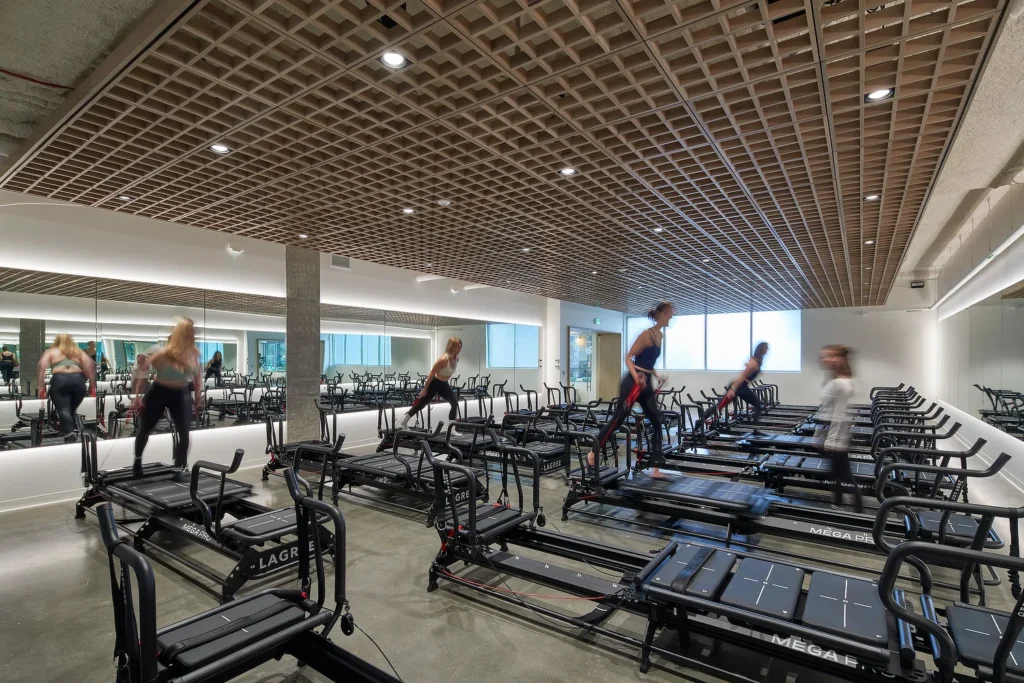
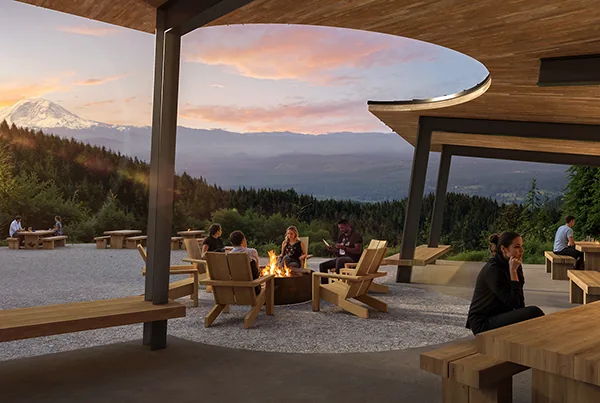
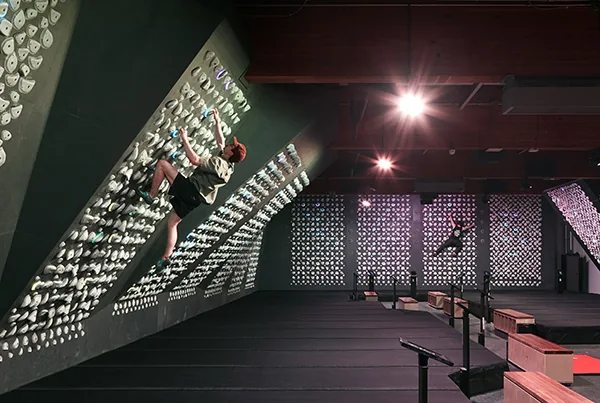
Our projects span indoor recreation facilities like climbing gyms and Lagree studios, outpatient medical facilities including physical therapy offices and health clinics, ski resort facilities, and park structures for outdoor recreation. In each, we focus on the intersection of experience and performance: how a space feels, how it functions, and how it supports both staff excellence and visitor outcomes.
Active Design
We’re passionate advocates for Active Design, which encourages stair climbing, walking, bicycling, and active recreation. Designers have an essential role in addressing the rapidly growing epidemics of obesity and related chronic diseases, especially given mounting scientific evidence demonstrating the impact of environmental design on physical activity and healthy lifestyles. The built environment can either reinforce inactivity—or gently counteract it. We design with the intention that movement is normal, comfortable, and integrated into everyday routines.
In an era of sedentary jobs, extended screen time, and long commutes, physical inactivity and unhealthy diet are second only to tobacco as leading causes of premature death in the United States. Despite well-known benefits of exercise, only one in five U.S. adults gets enough physical activity—making our work in this practice area particularly meaningful.
COMMON QUESTIONS
How does the built environment impact our health?
Wow, this is a HUGE one. From indoor air quality and optimized lighting to reduce eye strain, to proper temperature/humidity control and mitigation of noise exposure – the built environment can hurt or help our wellbeing in numerous ways. Additionally, studies show that people who live in places with good pedestrian amenities, bicycle infrastructure, and access to trails have higher rates of physical activity and lower body weights. And regular stair use and walking provides numerous health benefits, including reduced stroke risk improved cardiovascular health and weight management.
What trends are you seeing in the design of Health and Recreation spaces?
The health and wellness sector is experiencing a cultural shift, with consumers demanding prevention-focused care and investing in long-term health rather than just treating illness. People are embracing health technologies like wearables and apps, with strong interest in highly personalized care and continuous monitoring. We’re seeing hospitality-inspired design solutions that transform sterile healthcare environments into spaces that feel like high-end hotels, with comfortable furniture, private spaces, and better amenities for families. We’re also seeing inclusive, intergenerational spaces that move beyond mere ADA compliance to create spaces that cater to all ages and abilities.
What is Biophilic design and how can you incorporate it into projects?
Biophilic design endeavors to connect building occupants with nature by integrating natural elements, systems, and processes into the built environment, fostering a deeper connection to the natural world for improved health, productivity, and well-being. It’s more than just adding plants; it’s about creating a holistic, restorative environment that taps into the innate human need (biophilia) to affiliate with nature. Large windows that maximize daylight and views, living walls or moss installations, and water features with flowing sounds are all examples of biophilic design integrations.
”I had the pleasure of working with Mark and his team at Upward Architecture to design and build out my physical therapy clinic. Mark approached the process with creativity, thoughtfulness, and a great sense of partnership. They were attentive to my concerns and maintained a realistic yet inspired approach to the design. Anytime issues arose, Mark worked collaboratively with us to find thoughtful and effective solutions.
Orit HickmanPain Science Physical Therapy


