
PRACTICE AREA
ADAPTIVE REUSE
WE LOVE THE MESSINESS OF RENOVATING AND BREATHING NEW LIFE INTO OLD BUILDINGS.
HAVE A BUILDING RENOVATION,
Our Roots
Our founding principal, Mark Ward, grew up renovating a circa 1894 Victorian home with his family in St. Louis. Weekends were spent exploring architectural salvage warehouses for period-specific spindles, mantels, woodwork, and lighting – planting the seed for an eventual career in architecture. The historic buildings of St. Louis and the challenging renovation problems of older structures captured his imagination and ultimately led him to architecture. This early experience instilled a deep appreciation for the value and potential of existing buildings.
Stewardship
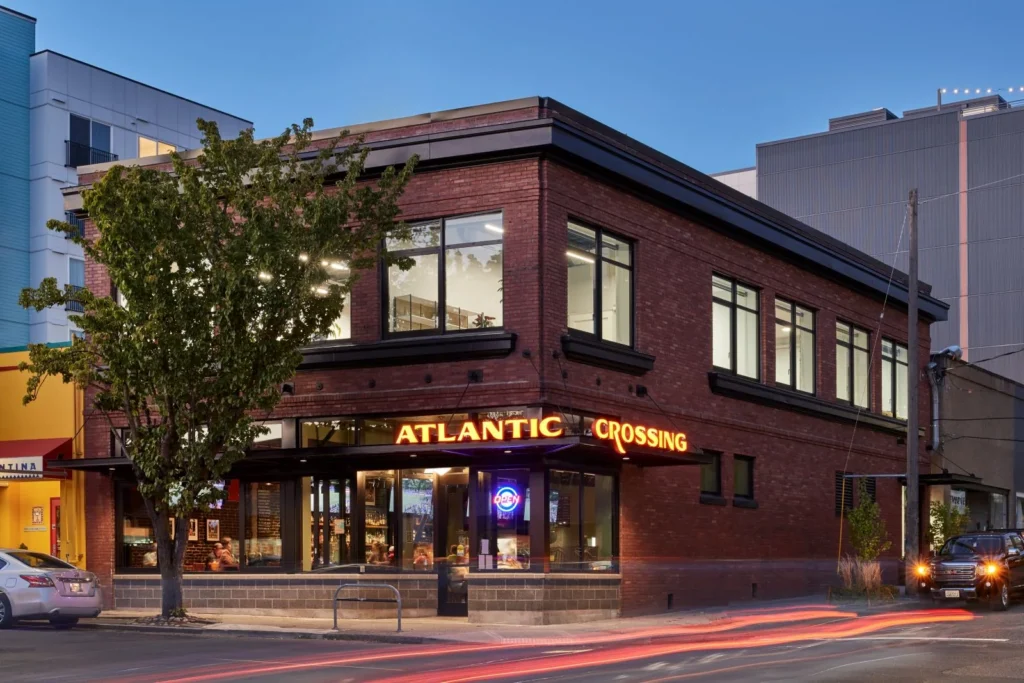
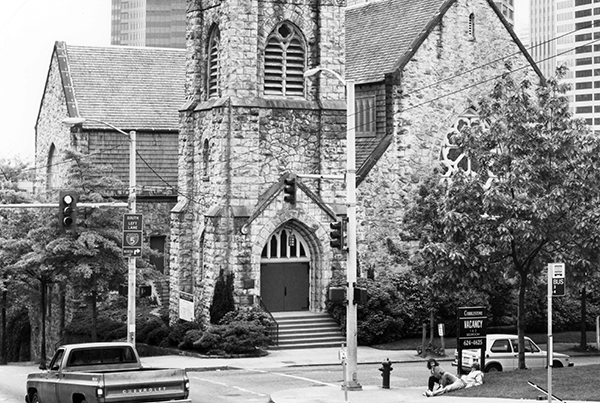
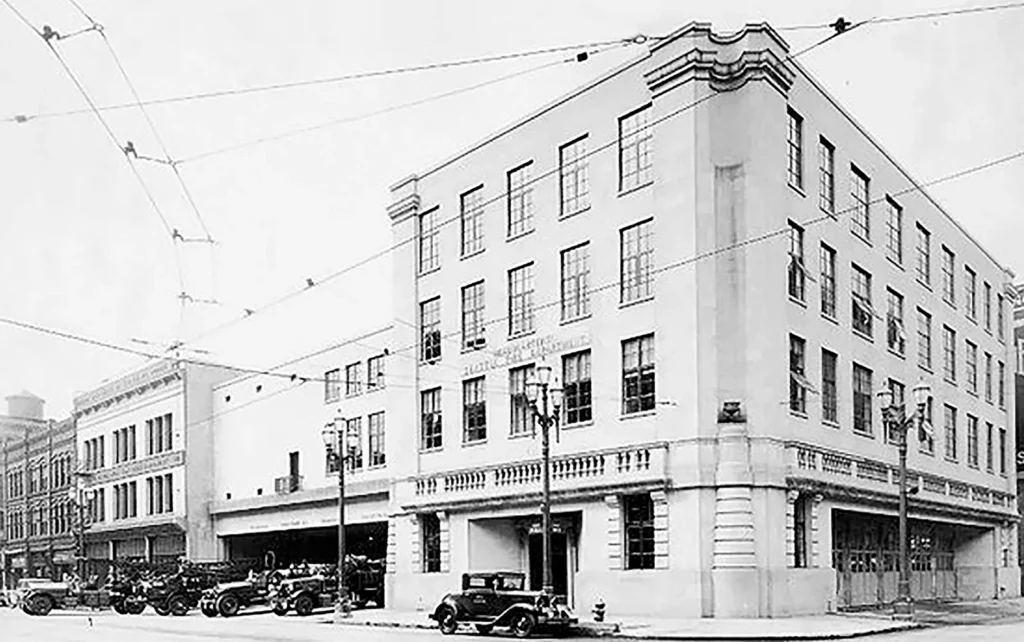
Adaptive reuse is where our love of architecture meets our love of stewardship. We’re drawn to the character, craft, and cultural memory embedded in older buildings—and we believe the greenest building is often the one that’s already there. By reusing existing structures, we can meaningfully reduce embodied carbon while strengthening the fabric of our communities through reinvestment and revitalization.
Messy Legacy Buildings
We’re comfortable with the ‘messiness’ of legacy buildings—unknown conditions, layered alterations, outdated systems—and we approach that complexity with curiosity and rigor. Being a small, nimble firm, we’re able to be involved and responsive in ways larger firms can’t—from quick site visits and problem-solving details in the field with contractors to leading teams through creative solutions when unexpected conditions are discovered behind decades of subpar alterations.
Taking Good Care
Our values center on taking good care of legacy buildings that make up the physical cultural fabric of our communities, adapting them for new contemporary uses that meet evolving societal and technological demands. Our goal is to protect what gives the building meaning (proportion, materiality, detail, and context) while adapting it for contemporary use, performance, safety, and accessibility. Done well, adaptive reuse creates spaces that feel both timeless and current—rooted in history, but aligned with today’s needs.
COMMON QUESTIONS
What kinds of adaptive reuse projects do you get involved with?
Our work spans repurposing legacy buildings that no longer serve their original purpose into facilities optimized for contemporary uses, historic preservation projects involving adherence to U.S. Department of Interior Standards, seismic retrofits, building envelope and HVAC improvements for energy performance, accessibility improvements providing barrier-free access in buildings never designed for equal access, and renovations extending the lifespan of older buildings
What industry trends do you see affecting the renovation of older buildings?
There are many, here are a few: Post-COVID reduced demand for traditional office space is spurring a nationwide opportunity for office building conversions. A significant shortage of affordable and market-rate housing is fueling the conversion of commercial buildings into apartments. The move away from fossil fuel-based heating and energy systems toward electric systems will have a major impact on historic buildings, allowing them to be far less energy-hungry. And the increased frequency of environmental and climate-related disasters will continue to create a need to improve and strengthen aging buildings.
What are the economic impacts of adaptive reuse projects?
Breathing new life into old buildings by revitalizing underused or neglected buildings attracts new businesses and investment, creates jobs, and boosts local economies while transforming underutilized properties into valuable community assets. We see preservation as a living act—not freezing a building “like an insect in amber,” but helping it evolve thoughtfully. The end result is typically an extended lifespan for valuable real estate—safer, more functional, more energy-responsible, and more relevant to the community it serves.
”Upward Architecture delivers adaptive re-use with a unique and value driven sensitivity to working inside of older buildings. Our Hubbard’s Corner project would not have been the same without their hands on and personally invested efforts.
Don DaviesDeveloper and Structural Engineer


